Top Locksmith Pro Service Team
Local locksmith team
May 7, 2026 12 min read
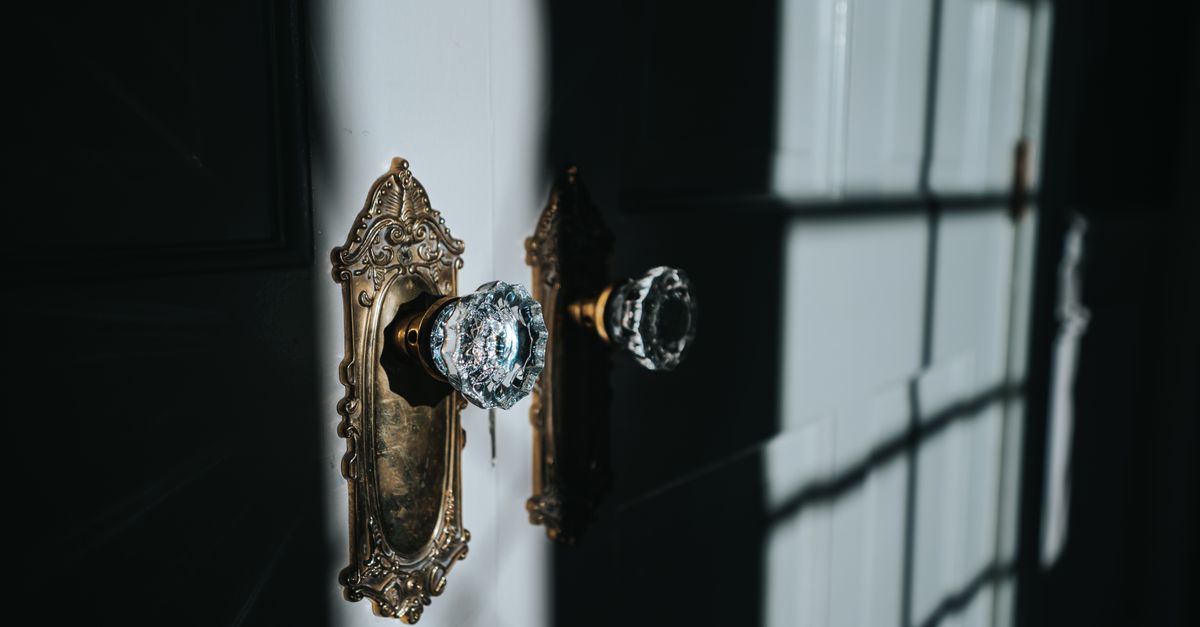
Your door knob lock is one of those things you stop noticing — until it stops working. Maybe the key feels gritty on the way in. Maybe the knob spins a half-turn before it catches. Maybe a neighbor on Brandt Pike mentions their lock just froze up one January morning and the locksmith had to be called before work. These aren't random bad-luck moments. They're warnings your hardware is sending you, and ignoring them long enough usually ends with a lockout at the worst possible time.
At Top Locksmith Pro, we're a 24/7 mobile locksmith serving Huber Heights, OH and the surrounding communities — and we respond to failing-lock calls every single week that could have been prevented with an earlier visit. This guide covers the five clearest warning signs that your door knob lock is heading toward failure, explains when a simple rekey is enough versus when you need a full hardware swap, and walks you through what to expect when you call us. Whether it's the side door on your home near the Huber Heights City Park corridor, a rental unit, or a commercial property, the signs are the same — and so is the fix.
## Sign #1: The Key Is Hard to Insert, Turn, or Remove from the Door Knob Lock
A healthy door knob with lock and key should operate with smooth, consistent resistance — you shouldn't have to muscle the key in or wiggle it out. If you're noticing gritty friction, a key that sticks at the same spot every time, or a cylinder that requires force to turn, the lock internals are telling you something is wrong. The most common culprits are worn pin tumblers, dried-out or contaminated lubrication, and accumulated debris inside the keyway. In Ohio winters, moisture intrusion can cause the internal springs to corrode, making the whole mechanism feel sluggish or uneven.
Here's the critical distinction: if the problem is strictly internal wear or debris, a professional cleaning and rekey can sometimes restore full function. But if the cylinder is physically damaged — cracked housing, bent pins, a key that broke inside — a full replacement is the right call. A trained locksmith can diagnose this in minutes by disassembling the cylinder and inspecting the pin stack. Don't reach for WD-40 as a first move; petroleum-based sprays attract dirt and accelerate long-term wear inside a knob lock.
## Sign #2: The Knob Spins Freely or the Latch Doesn't Retract Properly
A door knob that spins freely without moving the latch is one of the most recognizable signs of a mechanically failed lock. Inside every standard knob lock is a spindle that connects the knob to the latch mechanism. When the spindle breaks, strips, or slips out of alignment — often due to years of hard use or a forced-entry attempt — the knob disconnects from the latch entirely. You can turn the knob all day and the door won't open. Alternatively, the latch itself may retract sluggishly, fail to spring back, or sit proud of the strike plate, preventing the door from closing cleanly.
Neither of these scenarios is a rekey situation — they are full replacement jobs. A mortise lock system handles latch and deadbolt functions within a single, heavy-duty body embedded in the door edge, which is why we often recommend upgrading to a mortise lock during replacement if the door prep allows. As a core service at Top Locksmith Pro, mortise lock installation and service is something our team performs routinely across Huber Heights residential and commercial properties. If your door knob is spinning free, don't force it repeatedly — you risk damaging the door edge and the strike plate, turning a lock replacement into a more involved repair.
## Sign #3: Visible Physical Damage, Wobble, or Signs of a Tampering Attempt
Take a close look at your door knob with lock the next time you come home. Scratch marks radiating from the keyway, a loose or wobbly knob, a cylinder that sits canted in the housing, or a rose plate that's pulling away from the door are all red flags. Some of this damage is just age — set screws loosen over time, and the mounting hardware on older knob locks can work itself free. But scratch marks around the keyway in patterns that don't match normal key insertion are worth taking seriously. People sometimes ask us about how to pick a door knob lock — and from a security awareness standpoint, the answer matters: knob locks are among the easiest residential lock formats for experienced individuals to bypass, which is part of why they're rarely recommended as a standalone exterior security solution.
If you see evidence that your lock has been tampered with, do not assume it's still secure even if it appears to function. A compromised cylinder can be reset to a position where it operates normally but is no longer providing full pin security. Call us — our team will inspect the hardware, determine whether it was bypassed or just damaged, and recommend either a rekey (if the cylinder body is sound) or a full replacement with a higher-security option. For exterior doors, pairing a quality door knob with lock with a properly installed deadbolt or mortise lock is the security standard we recommend for Huber Heights homes and businesses alike.
## Sign #4: You've Lost Track of Who Has a Key — and Rekeying Is the Smart Move
This one isn't about mechanical failure — it's about security failure. If you've recently moved into a home off Executive Boulevard or anywhere else in the Huber Heights area, had a contractor or cleaning service with key access, ended a lease, gone through a change in roommates, or experienced a lost or stolen key, you are in a situation where rekeying is not optional — it's urgent. Rekeying changes the internal pin configuration of the existing cylinder so that the old key no longer works, without replacing the hardware itself. It's faster and more straightforward than a full swap, and it's the right call when the lock body itself is in good mechanical condition.
The decision tree is simple: if the hardware is sound and you just need to control key access, rekey. If the hardware is worn, damaged, outdated, or was already bypassed, replace. A lock door knob that's more than 10–15 years old is likely operating with worn springs and pins regardless of how it feels — this is often a good time to upgrade rather than rekey into aging hardware. Our team carries the parts and tools to handle both services on the spot, during a single mobile visit. No need to remove hardware and take it somewhere — we come to you, anywhere in Huber Heights, day or night. Call (937) 714-7473 and we'll walk you through exactly what your situation calls for.
## Sign #5: The Lock Freezes, Sticks Seasonally, or Fails in Cold and Wet Conditions
Ohio weather is genuinely hard on lock hardware. Huber Heights sits in Montgomery County where freeze-thaw cycles through November to March can drive moisture into a door knob lock's cylinder, causing internal components to swell, corrode, or seize. If your lock works fine in summer but becomes unreliable when temperatures drop, that's not a coincidence — it's a sign that the seals and internal tolerances are worn enough to let moisture in. A lock that's frozen once will freeze again, and the next time might be on your way out to a morning shift.
Seasonal sticking is sometimes addressable with a graphite-based lubricant applied to the keyway (not the knob exterior — inside the cylinder), but if the problem recurs or gets worse, the cylinder internals have likely corroded past the point of maintenance. This is also a common scenario where we recommend a mortise lock upgrade for exterior applications — the deeper door integration and heavier-duty construction of a mortise lock system handles weather exposure significantly better than a surface-mounted knob lock cylinder. Our emergency locksmith response covers exactly these situations: if you're locked out due to a frozen or failed lock in Huber Heights, call (937) 714-7473. We're mobile, we're local, and we answer 24/7 — including holidays and winter storms.
## What to Expect When You Call Top Locksmith Pro — Pricing, Process, and What Makes Us Different
We're not your average locksmiths. Top Locksmith Pro is a 24/7 mobile locksmith operation built around Huber Heights, OH — we service cars, houses, and businesses, and our team is experienced across residential knob locks, commercial locksmith needs, high-security deadbolts, mortise lock installation and repair, automotive lockouts, and more. When you call, here's exactly what happens: we ask a few quick questions about your situation, give you a transparent, confirmed price before any work begins, and dispatch a trained technician to your location.
Pricing for locksmith services depends on several factors — the type of lock involved (a standard door knob with lock for a bedroom interior door is a different job from a commercial-grade mortise lock on a storefront), the time of day, travel distance to your location, and whether parts are needed. We never quote vague ranges and then surprise you at the door. You'll know the exact number before we touch anything. Common questions we hear include things like 'What is a locksmith call-out fee?' and 'How much should a locksmith cost per hour?' — these are fair questions, and the honest answer is that both figures vary based on the factors above. What we can promise is that our quote is upfront, complete, and confirmed before work starts. Here are the services our team provides across the Huber Heights area:
Residential Services: Door knob lock installation and replacement | Mortise lock installation and service | Deadbolt installation and upgrade | Rekeying residential locks | Lock repair and cylinder service | Key duplication and master key systems | Smart lock and keypad lock installation | Door lock-out response | Sliding door and patio lock service | Window lock installation | Garage door lock service | Safe opening and combination changes
Commercial Locksmith Services: Commercial door knob and lever lock replacement | Commercial mortise lock installation | Access control system installation | Master key system design | Panic bar and exit device installation and repair | High-security lock upgrades | Commercial rekey service | Filing cabinet and desk lock service | Lock-out response for businesses | Door closer and hardware adjustment
Automotive Services: Car lockout response | Transponder key programming | Key fob replacement and programming | Broken key extraction | Ignition lock cylinder service | Duplicate car key cutting | Motorcycle and recreational vehicle key service
Whether you're dealing with a worn door knob with lock for a bedroom, a failing exterior knob lock, a commercial entry that needs a mortise lock upgrade, or a car lockout in a Huber Heights parking lot — our team handles it all. We are insured, experienced, and genuinely local to this community.
## Rekey vs. Replace: A Quick Decision Guide for Huber Heights Homeowners
Still unsure which path is right for your situation? Here's a practical framework. Choose rekeying if: the lock body is in good mechanical condition (smooth operation, no wobble, no visible damage), your concern is unauthorized key copies or access control after a life change, and the hardware is relatively recent. Choose full replacement if: the lock is visibly damaged, more than 10–15 years old, has been tampered with or bypassed, fails seasonally, or you're upgrading security standards entirely. Upgrading to a mortise lock is worth discussing with your technician any time you're already replacing hardware — it's a logical moment to improve the underlying security architecture rather than just swap like-for-like.
For any exterior door, we strongly recommend against relying on a knob lock as your sole security layer. A knob lock door knob is designed primarily for privacy and basic access control — not forced-entry resistance. A paired deadbolt or a full mortise lock system is the right standard for any door that faces the outside. Our team can assess your current setup and recommend what genuinely makes sense for your home's doors, your budget conversation, and your security goals — no upselling, no pressure.
Frequently asked questions
What is a locksmith call-out fee, and what does it cover?+
A call-out fee is the base charge that covers a locksmith's travel to your location and the initial assessment of the job. The final total depends on the specific work required — lock type, parts needed, time of day, and travel distance all factor in. At Top Locksmith Pro, we confirm a full, upfront price before any work begins, so the call-out fee and service cost are rolled into one transparent quote with no surprises.
What locks can locksmiths not open?+
A trained locksmith can open the vast majority of residential and commercial locks through legitimate service methods — including door knob locks, deadbolts, and mortise lock systems. Very high-security locks with patented keyways or advanced anti-pick features may require more time and specialized tools, but they are still serviceable. For safety and legal reasons, any locksmith should verify ownership or occupancy before opening a lock — that's standard professional practice, not an obstacle.
How much should a locksmith cost, and what affects the price?+
Locksmith pricing varies based on several real factors: the type of lock (a standard interior door knob with lock for a bedroom costs less to service than a commercial mortise lock), whether it's a rekey or full replacement, the time of day (after-hours and emergency calls carry different rates), travel distance, and whether parts are included. There's no single universal figure that applies to every job. What we guarantee at Top Locksmith Pro is a confirmed, exact price before we start — call (937) 714-7473 and we'll give you a straight answer for your specific situation.
When should I rekey a lock versus replacing it entirely?+
Rekey when the lock hardware is mechanically sound and your concern is controlling who has key access — after moving in, after a key is lost, or after a contractor had a copy. Replace when the hardware is worn, damaged, tampered with, failing seasonally, or you're upgrading security standards. If the lock is more than 10–15 years old, replacement is usually the smarter investment even if rekeying is technically possible — aging cylinders have worn internal components that no longer deliver reliable security or smooth operation. Our team can inspect your lock on-site and give you an honest recommendation in minutes.